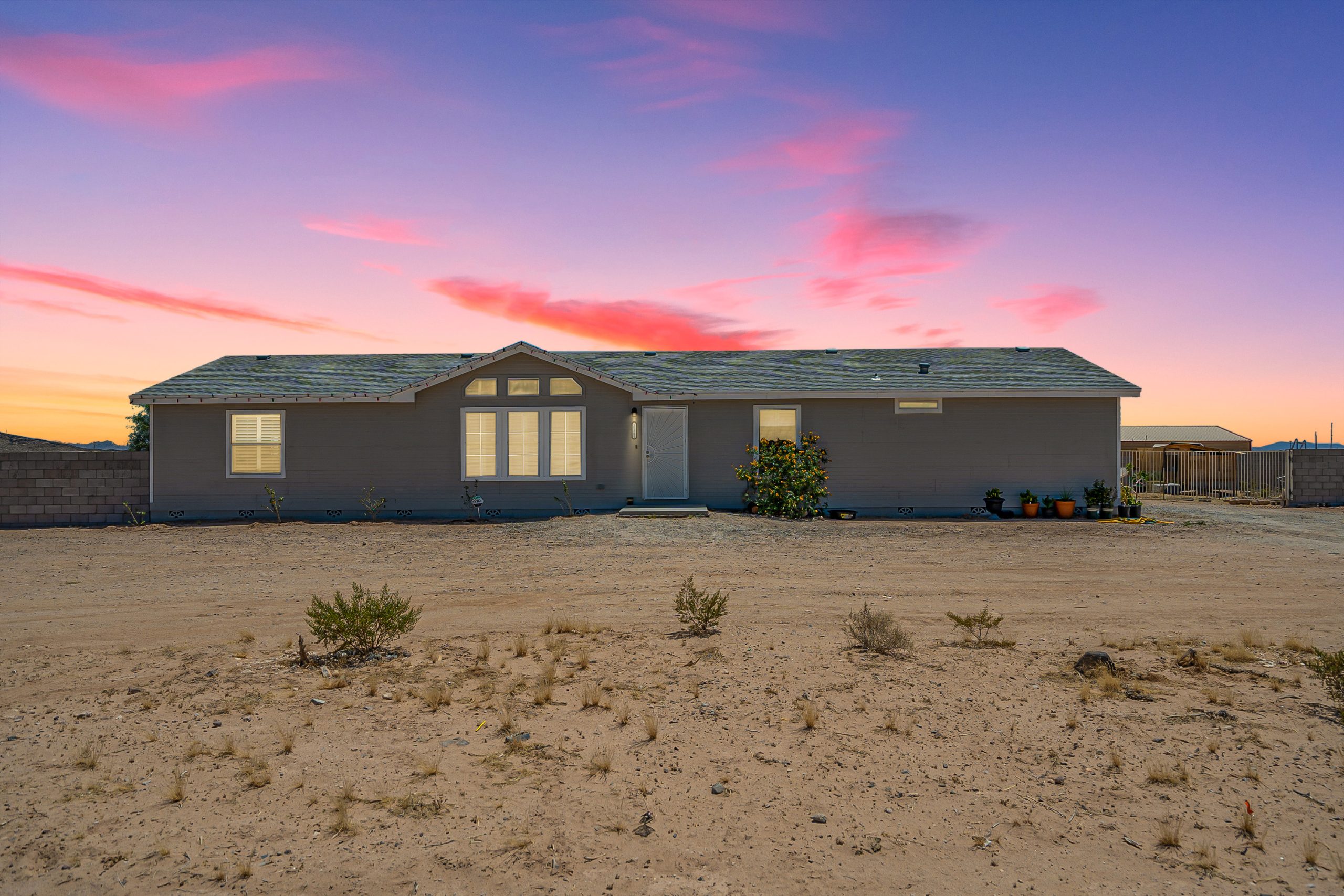
Selling an Arizona home with a shared well is usually possible, but the sale can become difficult when the water arrangement is poorly documented.
Before listing, a seller should identify the well, locate the shared-well agreement, determine which parcel physically contains the well, and organize the records a buyer may need to review. Those steps are separate from promising how much water the well produces or interpreting the legal effect of an agreement.
Quick Answer: Can You Sell an Arizona Home With a Shared Well?
Yes. A shared well does not prevent a normal home sale. It does give buyers, lenders, title companies, inspectors, and attorneys more property-specific questions to answer.
The Arizona Department of Water Resources, commonly called ADWR, maintains the state’s well registry. ADWR also makes an important distinction: a shared-well agreement is a private contract, and ADWR does not regulate or enforce it.
That means a strong selling plan should address two related but different subjects:
- The state’s administrative record for the well
- The private agreement among the people or properties that share it
Neither record should be assumed complete simply because the other one exists.
What Is a Shared Well in Arizona?
A shared well supplies water to more than one property or user under a private arrangement. ADWR’s current shared-well guidance explains that a shared well may serve up to 14 service connections or up to 24 residents in an area. A system with 15 or more service connections, or one that serves 25 or more year-round residents, may constitute a community water system instead.
The number of homes, residents, or connections should be verified for the actual property. Do not advertise a water arrangement from memory or from an old listing.
Why Shared Wells Require More Documentation During a Sale
A buyer is not only evaluating the house. The buyer is also trying to understand how water reaches the property and what responsibilities continue after closing.
Common questions include:
- Where is the well physically located?
- What is the ADWR registration number?
- Which properties currently use the well?
- Is there a written and recorded shared-well agreement?
- Who pays for electricity, maintenance, and repairs?
- Who can enter the well parcel when service is needed?
- What information exists about the well, pump, storage, pressure system, and water quality?
A seller does not need to guarantee facts that require a well professional, laboratory, title company, or attorney to establish. The goal is to find and disclose the available information early enough for the buyer to investigate it.
Find the Well Registration Information First
Arizona wells of record generally have a registration number beginning with 55-. ADWR provides an online Well Registry that can be searched by registration number, owner name, parcel, or other location information.
ADWR advises real estate and title professionals to start with a parcel search. The agency also warns that registry information may be outdated when parcels have been split or combined, ownership has changed, or submitted records were never updated.
The registry is a useful starting point, not a substitute for inspecting the property or reviewing title and recorded documents. ADWR says its well records are based on information supplied by owners and drillers, and the agency does not determine legal ownership through the registry.
Where Is the Well Actually Located?
This is one of the most important questions in a shared-well sale.
The seller may own the parcel where the well is physically located. Or the seller’s property may receive water from a well located on another parcel.
Do not assume the well is on the seller’s land because the seller pays part of the electric bill or has used the water for years. ADWR notes that a registry map marker is not necessarily the precise physical location of the well. Some imaged well records include a site plan, coordinates, or a driller’s log that can help, but field verification may still be necessary.
Is There a Recorded Shared-Well Agreement?
Locate every version the seller has, including amendments, cost-sharing schedules, maintenance records, notices, and correspondence that may affect the current arrangement.
ADWR says a shared-well agreement may sometimes appear in the well’s imaged record, but the agency does not require these private agreements to be submitted. They are therefore rarely found in the ADWR file. If ADWR does not have a copy, its current guidance recommends checking with the county recorder to see whether an agreement was recorded.
A title company may also identify recorded documents connected with the property. The seller should not assume that an unrecorded copy is the only agreement or that a recorded document tells the complete current story.
What If Nobody Can Find the Agreement?
Do not wait for the buyer’s inspection period to discover that the agreement is missing.
If no agreement can be found, the seller can begin by:
- Checking personal closing and property records.
- Searching the ADWR well file and registry.
- Reviewing county recorder records.
- Asking the title company what recorded documents appear.
- Confirming what neighboring users actually have.
- Consulting an Arizona real estate attorney about the legal situation and available options.
A real estate agent should not draft a new shared-well agreement or tell the parties what an existing agreement legally means. That work belongs with a qualified attorney.
Does the Well Itself Need to Be Transferred?
ADWR’s current guidance turns on the physical location of the well.
If the well is physically located on the property being sold: ADWR says a Request to Change Well Information, form 55-71A, is needed when ownership changes.
If the property only has an interest in a shared well located on another parcel: ADWR says a well ownership change request is not needed for that property transfer because the well itself is not physically located on the parcel being purchased.
The private shared-well rights and obligations still need to be reviewed. An ADWR registry change and a private agreement are not the same thing.
When Is the ADWR Ownership Change Filed?
ADWR advises that form 55-71A should not be filed before the property transfers because the filing requires proof of the new ownership, such as the deed for the parcel where the well is located.
As of September 2026, ADWR’s real estate and title FAQ lists a $30 well ownership-change fee and describes including the completed form, an assessor or aerial map marked with the well location, and ownership documentation. Forms and fees can change, so the current ADWR instructions should be checked when the filing is prepared.
Escrow and title professionals can help the parties understand what they will handle and what remains the buyer’s or seller’s responsibility. Do not assume a filing will happen automatically.
What Does a Shared-Well Agreement Usually Address?
Agreement terms vary. Depending on the document, a shared-well agreement may address subjects such as:
- Which properties are allowed to use the well
- Maintenance and repair responsibilities
- Electricity and operating costs
- Access to the well, pump, storage, or related equipment
- How expenses are divided
- Water-use expectations or restrictions
- Procedures when equipment fails
- Insurance or liability provisions
- Dispute procedures
- How the agreement applies to future owners
This list describes questions a private agreement may cover. It is not a statement that Arizona law requires every agreement to contain each provision.
Does ADWR Enforce the Shared-Well Agreement?
No. ADWR’s current published position is clear: shared-well agreements are private contracts. Arizona water law regulates how wells are drilled and located, but it does not govern the operation or management of a shared-well agreement.
ADWR cannot enforce the agreement, resolve a dispute, adjudicate the parties’ rights, or give legal advice. A disagreement about payment, access, maintenance, use, or compliance is a civil matter for the parties and their legal counsel.
Should the Seller Test the Water Quality?
Water-quality testing can give a seller and buyer current information, but do not describe it as a universal state resale requirement unless a property-specific rule, contract, lender, or other authority actually requires it.
ADWR manages water resources and well records. It directs private-well owners to the Arizona Department of Health Services for testing information and licensed drinking-water laboratories. A qualified well professional or laboratory can help the parties decide what testing is appropriate and how samples should be collected.
A recent laboratory result also does not guarantee future water quality or answer every question about production, equipment, or groundwater conditions.
What About Well Production and Capacity?
Buyers often ask how much water the well produces and whether it can reliably serve the participating properties.
Do not turn an old number, a neighbor’s recollection, or a drilling-era record into a present guarantee. ADWR explains that production information may be absent from the well file because its records contain what customers submitted.
If capacity, pump performance, water level, storage, or system condition matters to the transaction, the parties should ask an appropriately qualified well professional what evaluation is available and what the result actually means.
What Buyers Commonly Ask About a Shared Well
Expect detailed questions about:
- The well registration and available ADWR file
- The physical well location
- The number of participating properties
- The shared-well agreement and amendments
- Recorded access or utility rights
- Maintenance history
- Electricity and recurring costs
- Recent repairs or equipment replacement
- Water quality
- Production, storage, and pressure
- Any current disagreement among users
A buyer’s lender, insurer, or appraiser may also have property-specific documentation questions. Requirements can vary, so sellers should avoid promising in advance that every financing program will treat the arrangement the same way.
Known Problems and Arizona Seller Disclosure
If the seller knows about water interruption, equipment failure, contamination, an access dispute, unpaid shared expenses, a disagreement among users, or another condition affecting the property, it should be addressed carefully in the disclosure process.
The shared-well documents do not replace the seller’s broader disclosure responsibilities. My Arizona Seller Disclosure and SPDS guide explains why known property facts and supporting records should be organized before a buyer’s deadlines begin.
Questions about legal materiality or contract rights belong with a qualified Arizona real estate attorney.
What Happens If the Agreement Is Unclear?
Unclear language can affect buyer confidence even when the water system has operated without recent trouble.
Before listing, determine whether the uncertainty involves the agreement itself, the recorded title documents, the ADWR registry, the physical system, or several of those at once. Then direct each question to the professional qualified to answer it:
- Attorney: contract meaning, enforceability, disputes, and agreement revisions
- Title or escrow officer: recorded documents and closing process
- ADWR: registry, well file, and administrative forms
- Well professional: physical location, equipment, operation, and available performance evaluation
- Licensed laboratory: water-quality testing
Solving the right problem is easier when the seller does not ask one professional to answer every type of question.
Should You Inspect or Test Before Listing?
Early evaluation can be useful when records are old, the equipment has not been checked recently, buyers in the area commonly request testing, or the seller already suspects a problem.
Potential advantages include more time to understand the result, gather estimates, make an informed repair decision, and price the property with better information.
Potential disadvantages include cost and the possibility of uncovering an issue the seller must then address and disclose. That is not a reason to hide from a known concern. It is a reason to decide deliberately which inspections and tests make sense for the property.
Shared wells and septic systems are separate. A rural home may have one, both, or neither. If the property also has onsite wastewater, use the separate Arizona septic home-sale guide to plan that inspection and transfer timeline.
Shared-Well Seller Checklist
- Find the well registration number.
- Search the ADWR registry and imaged well record.
- Confirm which parcel physically contains the well.
- Locate the shared-well agreement and every amendment.
- Check whether the agreement was recorded.
- Gather maintenance, repair, pump, storage, and electrical records.
- Organize recent water-quality or performance information, if available.
- Identify the participating properties and current contacts without publishing private information.
- Disclose known problems accurately.
- Ask title and escrow what they need before closing.
- Use an attorney for agreement or dispute questions.
- Confirm the current ADWR ownership-change process if the well is on the parcel being sold.
Common Shared-Well Selling Mistakes
- Assuming the well is physically on the seller’s parcel
- Relying only on an old MLS description
- Waiting until escrow to search for the agreement
- Treating the ADWR registry as proof of legal ownership
- Assuming ADWR will enforce a private agreement
- Promising current water production from an old record
- Calling water testing mandatory without a verified basis
- Ignoring known cost, access, maintenance, or user disputes
- Sharing neighboring owners’ private information unnecessarily
Build the Water Documentation Into the Selling Plan
A shared well is manageable when the seller treats it as an important property system rather than a last-minute footnote.
I can help organize the real estate side of the sale: preparation, pricing, marketing, buyer questions, disclosure timing, and coordination with escrow. ADWR, a well professional, a licensed laboratory, the title company, and legal counsel handle the specialized questions within their roles.
For the broader selling process, review my answers to common Arizona home-selling questions, learn about Arizona seller representation, or request a personalized home value and selling review.
Selling a Property With a Shared Well?
Andrew can help organize the sale timeline, documentation questions, pricing, marketing, and buyer communication while the appropriate water, title, and legal professionals address specialized well issues.
Sources and Further Reading
- Arizona Department of Water Resources: Shared Well
- Arizona Department of Water Resources: Guidance for Real Estate Agents and Title Agents
- Arizona Department of Water Resources: Well Frequently Asked Questions
- Arizona Department of Water Resources: Search Well Registry
- Arizona Department of Water Resources: Form 55-71A Change of Well Information
- Arizona Department of Water Resources: Water Quality Resources
- Arizona Department of Health Services: Licensed Commercial Drinking Water Laboratories
ADWR and ADHS sources checked September 5, 2026. This article provides general Arizona real estate education and is not legal, title, water-quality, engineering, or well advice. Shared-well rights, obligations, records, testing, financing, and transfer needs depend on the property and transaction. Consult the appropriate Arizona attorney, title or escrow officer, lender, ADWR representative, licensed laboratory, or qualified well professional for property-specific guidance.