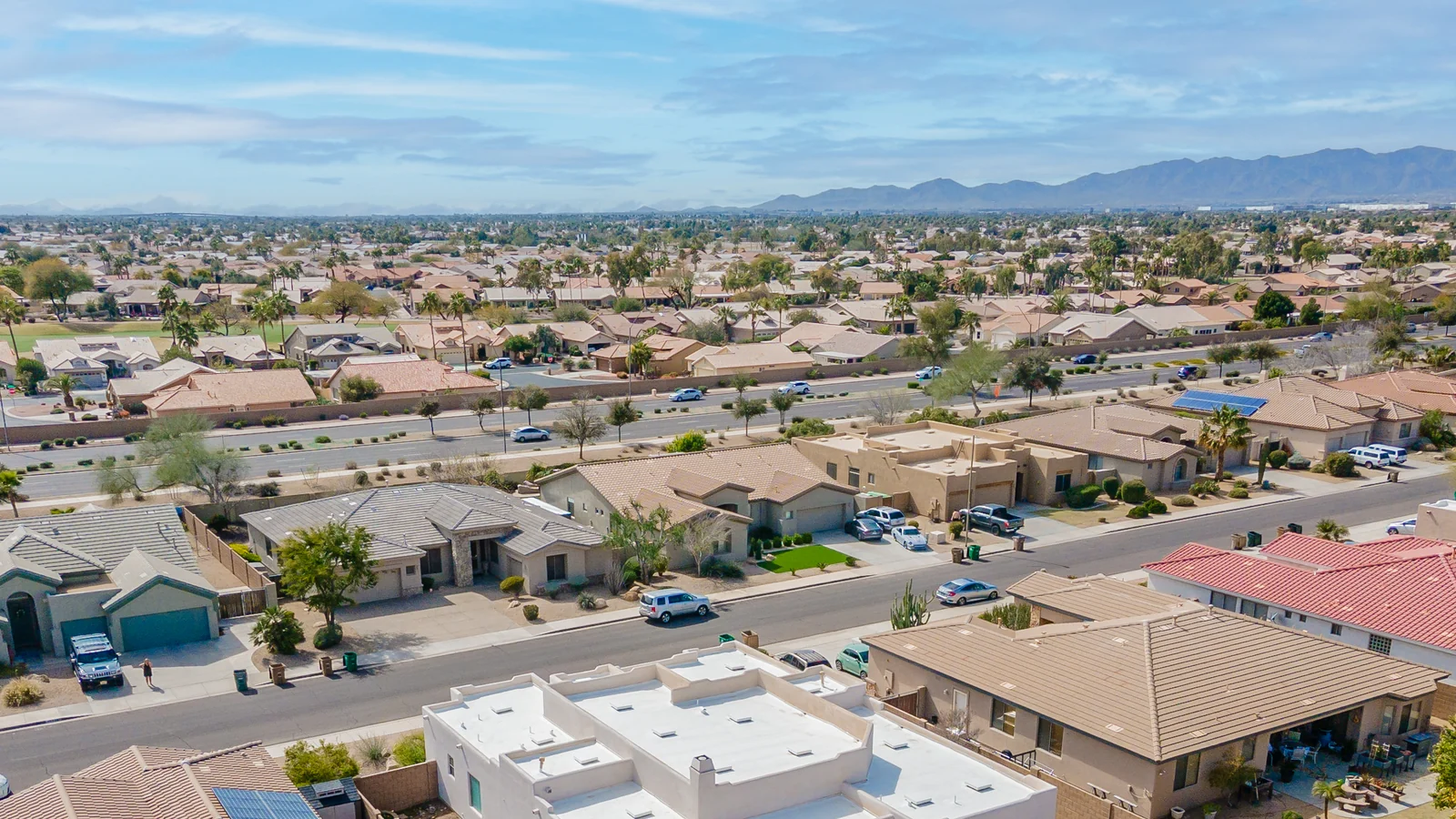
Selling a home in an Arizona homeowners association usually adds another set of documents, deadlines, balances, and closing costs to the transaction. The home may be ready for the market, but an overlooked special assessment, unresolved architectural violation, or second master association can still surprise a seller after an offer is accepted.
The practical goal is to identify the associations, collect the information you can control, estimate the likely charges, and leave enough time for the statutory resale disclosure process. Arizona also enacted important changes to the condominium and planned-community resale statutes in 2026. Those changes take effect September 12, 2026, so the applicable process can depend on when the transaction occurs.
Quick Answer: What Should an Arizona HOA Seller Expect?
An Arizona seller should be ready to identify every association governing the property, disclose known fees and issues, provide the required notice after an offer is accepted, and coordinate the resale disclosure report with the association or management company.
Before listing, verify regular dues, special assessments, transfer-related charges, unpaid balances, open violations, rental or age restrictions, and pending architectural matters. Do not assume the online owner portal shows every amount that may appear at closing.
Arizona’s planned-community and condominium statutes establish the required resale information and fee limits. The purchase contract and HOA addendum can separately allocate certain charges between buyer and seller. That distinction matters: what an association is allowed to charge and what the parties agree to pay are related questions, but they are not identical.
Planned Community vs. Condominium
Arizona uses separate statutory chapters for planned communities and condominiums. A planned community commonly includes individually owned lots with association-maintained common areas or obligations. A condominium owner generally owns a unit together with an interest in common elements under a condominium declaration.
The resale-disclosure rules are closely parallel, but they appear in different statutes:
- A.R.S. §33-1806 addresses planned-community property resales.
- A.R.S. §33-1260 addresses condominium unit resales.
A property can also be governed by more than one association, such as a neighborhood HOA plus a master association. Confirm the legal names and management contacts for all of them instead of relying only on the most familiar community name.
What Happens After an Offer Is Accepted?
Under the statutes in effect before September 12, 2026, the resale information is due within ten days after receipt of the required written notice of a pending sale. Responsibility differs according to association size: for communities with fewer than 50 units, the seller generally delivers the information; for communities with 50 or more units, the association generally delivers it after receiving the required notice.
Beginning September 12, 2026, Chapter 249 changes the trigger and delivery language. For communities with fewer than 50 properties or units, the seller must electronically transmit or deliver the information within ten days after acceptance of the purchaser’s offer. For communities with 50 or more, the seller must notify the association of the accepted offer and provide the purchaser’s or designated agent’s name, email address, and mailing address. The association then electronically transmits or delivers the report within ten days after receiving that notice.
Because the effective date is close and a transaction can cross it, sellers should use the current form and procedure applicable to their contract. The association, escrow officer, REALTOR®, and a qualified Arizona real estate attorney can address a property-specific timing or legal question.
What Is in an Arizona HOA Resale Disclosure Report?
The report is more than a dues statement. The current statutes require governing documents and financial, legal, insurance, assessment, reserve, litigation, and property-specific information. The precise list differs slightly between planned communities and condominiums.
The September 12, 2026 amendments expand and clarify the report. Depending on the type of association, the amended information includes items such as:
- Current bylaws, rules, declaration, and available plat information
- Minutes from the previous three open board meetings
- Regular assessment amounts and payment schedules
- Approved and assessed special assessments, including remaining installments
- Approved but not yet assessed special assessments and certain proposed assessments
- Amounts currently due from the seller
- Title-transfer or similarly named fees authorized in the declaration
- Operating and reserve financial information
- Outstanding cited violations associated with the property
- Pending association litigation
- Reserve studies, if any, and procedures to view a complete report when a summary is supplied
- Declarant-control information
- Identification of multiple associations and their separate disclosure fees
Condominium reports have additional condominium-specific insurance and ownership information. Sellers do not need to memorize the statutory list, but they should understand why the packet can affect a buyer’s decision and the closing timeline.
What Is a Special Assessment?
A special assessment is an association charge outside the ordinary regular assessment schedule, generally connected to a specific project, expense, or funding need. Examples can include major common-area repairs, roofing, roads, walls, landscaping, amenities, or reserve shortfalls. The actual authority, approval process, payment schedule, and owner obligation depend on the governing documents and applicable law.
Do not describe a rumored project as an approved assessment. Separate these stages:
- A project is being discussed.
- The board has approved an assessment but has not yet assessed it.
- An assessment has been approved and assessed.
- Installments are already due or have been paid in advance.
The 2026 amendments make this distinction more visible by requiring additional information about approved assessments, payment schedules, and certain assessments recently submitted for owner approval.
Why a Pending or Approved Assessment Matters
A buyer may evaluate an upcoming assessment as part of the property’s total cost. A seller may face questions about price, credits, payoff, or who will be responsible for installments after closing. The association’s documents and the purchase contract should be reviewed together.
Before listing, ask the association or manager for current written information. Board minutes, budgets, reserve studies, owner notices, and the resale report may reveal different parts of the picture. If the issue is material to the sale or the governing documents are unclear, obtain legal guidance rather than relying on an informal answer from another resident.
What Happens With Unpaid HOA Balances?
Regular assessments, special assessments, fines, late charges, collection costs, or other association amounts may appear in the resale or lien-estoppel information. The title and escrow process commonly requests figures needed to address association balances at closing.
Do not wait until the final settlement statement to challenge an amount. If the seller believes a balance is wrong, start with the association’s ledger and written dispute process early. A title officer can explain what must be cleared for that closing, while an attorney can advise the seller about a contested charge or lien.
What Is an HOA Transfer Fee?
“Transfer fee” can be used loosely, so identify what the charge actually covers. It may refer to a title-transfer fee authorized in the declaration, a resale disclosure fee, a lien-estoppel service, an account setup charge, or another transfer-related item.
Beginning September 12, 2026, the amended resale report must state the amount and purpose of any title-transfer or similarly named fee authorized in the declaration. That does not make every fee with a transfer label valid. The statute controls what an association may charge, and the recorded declaration matters for the title-transfer fee described by the amendment.
Who Pays HOA Transfer-Related Charges?
Do not treat a local custom as an unchangeable legal rule. The association statutes identify what may be charged and, under the amended language, direct the disclosure-related charge to the selling owner. The Arizona REALTORS® HOA Condominium/Planned Community Addendum provides a way for buyer and seller to negotiate and document who pays specified fees at closing.
The signed contract controls the allocation between the parties. A seller comparing offers should consider both price and the buyer’s proposed HOA-cost allocation rather than assuming every offer produces the same net.
Disclosure, Rush, and Update Fees
Arizona’s current and amended planned-community and condominium statutes generally cap the aggregate resale-disclosure, lien-estoppel, and related transfer-service fee at $400 per association. They also allow a rush fee of no more than $100 when service is required within 72 hours and an update fee of no more than $50 when at least 30 days have passed since the original report.
The statutes require these fees to be collected no earlier than close of escrow and charged only once for the specified transaction. A property subject to both a neighborhood association and a master association can have a separate report and permitted fee from each association.
Fees and forms can change. Confirm the actual amount, association count, and contract allocation for the transaction rather than using an online estimate as a final settlement figure.
What Changed in Arizona in 2026?
Governor Katie Hobbs approved HB 2397, Chapter 249, on June 22, 2026. The Arizona Legislature’s effective-date summary states that the law takes effect September 12, 2026.
The amendments to A.R.S. §§33-1260 and 33-1806 do several important things:
- Change the trigger from notice of a pending sale to acceptance of the purchaser’s offer.
- Require electronic transmission or delivery in the described process.
- Expand the seller’s notice information for associations with 50 or more properties or units.
- Add board minutes, additional special-assessment detail, title-transfer fee information, and more financial information.
- Add outstanding unresolved cited violations to the report.
- Add declarant-control and multiple-association information.
- Add a purchaser acknowledgment at close of escrow concerning the binding covenants and assessment obligations.
- Clarify good-faith reliance on association records and remedies for knowingly or recklessly false or misleading information.
The condominium amendments also add specific common-element deficiency, insurance, and concentrated corporate-ownership information. This summary is not a substitute for the enacted text or legal advice.
Multiple HOAs and Master Associations
Some Phoenix-area homes belong to a neighborhood association and a larger master association. Others may have an additional condominium association or sub-association. Each can have separate dues, governing documents, contacts, disclosure reports, fees, violations, and approval records.
Before listing:
- Review the title information and prior closing documents for every association name.
- Confirm each association and current management contact.
- Request current balances and fee schedules.
- Check whether one owner portal omits a master association.
- Include all known associations in the listing and contract documents.
The September 2026 amendments specifically require the resale report to identify when multiple associations govern the property and that each can have a corresponding resale disclosure fee.
Known Violations and Architectural Issues
Common problems include an unapproved paint color, shed, shade structure, fence, gate, room addition, solar installation, landscaping change, parked vehicle, or modification that differs from an approved architectural request.
First determine whether the issue is a pending application, a cited violation, an expired approval, or an informal concern. Gather approval letters, applications, plans, photographs, hearing notices, and correspondence. Do not remove or alter a feature based only on a neighbor’s opinion.
The amended statutes add outstanding and unresolved cited violations to the required resale information. They also preserve the seller’s responsibility to disclose known violating alterations or improvements. If a modification may also involve a building permit, see the guide to selling an Arizona home with unpermitted or unclear work.
How HOA Costs Affect Seller Net Proceeds
HOA expenses can include regular dues through closing, disclosure charges, transfer-related fees, prepaid assessments, collection balances, special-assessment obligations, and negotiated buyer credits. The contract determines which party pays the negotiated items, while escrow uses the association and title information to calculate the closing figures.
Include estimated HOA costs in the seller net sheet before comparing offers. My guide to Arizona seller closing costs and net proceeds explains how price, loan payoff, commissions, concessions, taxes, and property-specific charges fit into the estimate.
Seller Checklist Before Listing an Arizona HOA Home
- Identify every association and management company.
- Confirm regular dues, payment frequency, and the current ledger balance.
- Ask about approved, assessed, proposed, or discussed special assessments.
- Review recent notices, board minutes, budgets, and reserve information available to you.
- Gather CC&Rs, bylaws, rules, architectural approvals, and prior resale documents.
- Resolve or document known cited violations and pending applications.
- Identify transfer, disclosure, rush, update, and other closing-related charges.
- Check for prepaid dues or assessments that may require proration or contract treatment.
- Estimate HOA items in the seller net sheet.
- Use the current statutory and contract process after accepting an offer.
Common HOA-Sale Mistakes
- Listing only one association when the property has two.
- Quoting last year’s fee schedule as current.
- Assuming a paid balance means there is no special assessment or violation.
- Calling every transfer-related amount a “transfer fee.”
- Promising that the buyer or seller “always” pays a charge.
- Waiting until late escrow to dispute a ledger balance.
- Marketing an improvement without checking association approval.
- Using the pre-September 12, 2026 process after the amended law takes effect.
Build the HOA Timeline Into the Selling Plan
An HOA home can sell through a normal market transaction. The strongest preparation is practical: identify the associations, organize the records, calculate a realistic net, disclose known issues, and follow the current resale-report process after an offer is accepted.
I can help with the real estate parts of that plan, including pricing, buyer communication, contract timing, marketing, and net-proceeds comparisons. The association, management company, title and escrow team, and qualified legal professionals handle the specialized records and legal conclusions within their roles.
For more preparation help, review the Arizona Seller Disclosure and SPDS guide, read my answers to common home-selling questions, or learn about Arizona seller representation.
Selling in an HOA? Know the Numbers Before Closing
Andrew can prepare a personalized value review and seller net estimate that accounts for the property, likely sale range, loan payoff, selling costs, and known HOA charges. Association, title, escrow, and legal professionals can then verify the specialized amounts and obligations.
Sources and Further Reading
- Arizona Legislature: A.R.S. §33-1806, Planned Community Resales
- Arizona Legislature: A.R.S. §33-1260, Condominium Resales
- Arizona Legislature: 2026 HB 2397, Chapter 249
- Arizona Legislature: 2026 Enactments and Effective Dates
- Arizona REALTORS®: Residential Resale Transaction Forms
- Arizona REALTORS®: HOA Addendum Fee Allocation
- Arizona Department of Real Estate: Buyer Advisory
Sources checked September 5, 2026. HB 2397, Chapter 249, is effective September 12, 2026. This article provides general Arizona real estate education and is not legal, tax, accounting, title, escrow, HOA-management, insurance, or financial advice. Association documents, contracts, charges, and seller obligations are property-specific. Consult the association, title and escrow professionals, and a qualified Arizona real estate attorney for transaction-specific guidance.