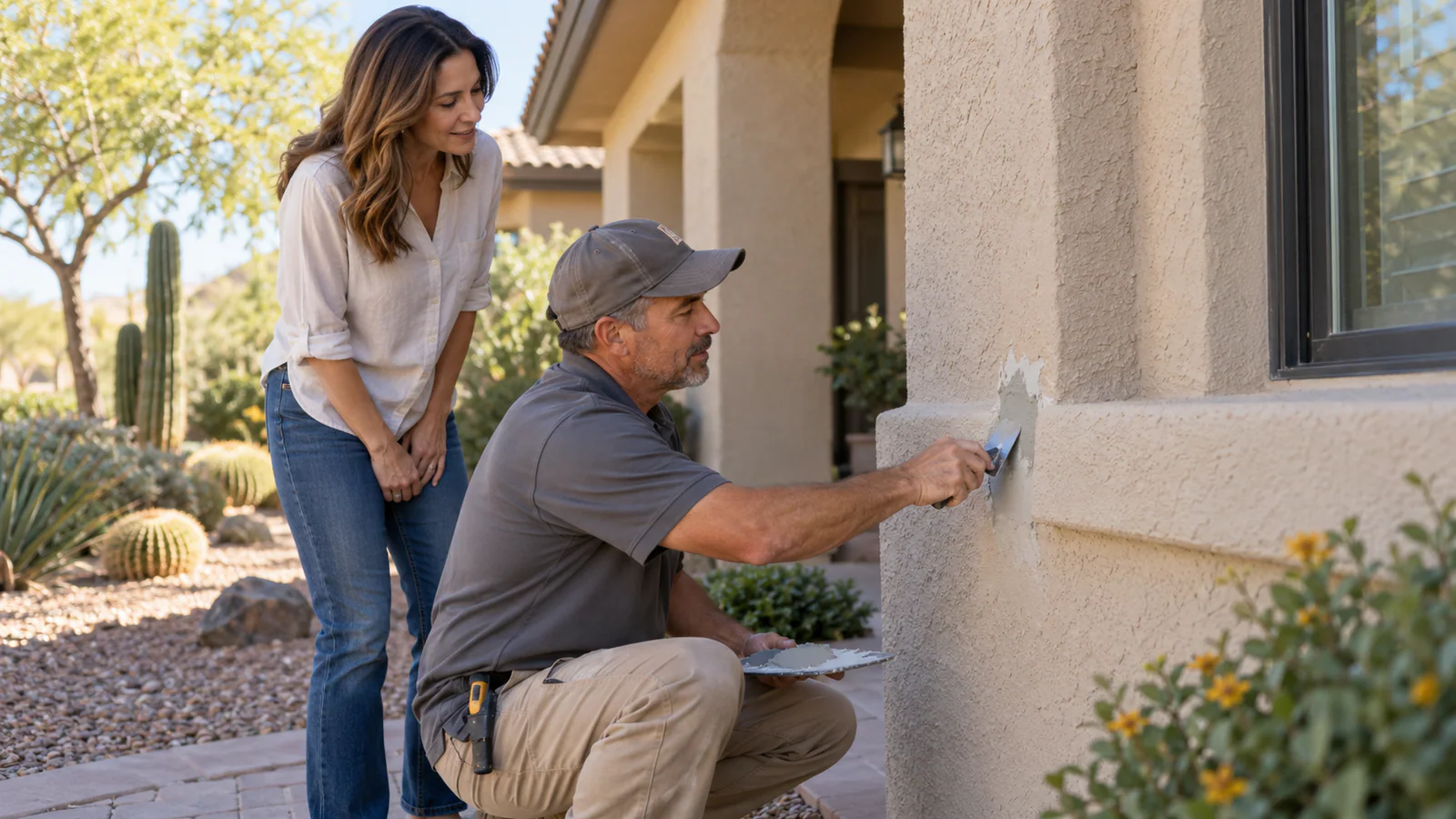
Preparing a home for sale does not mean fixing every flaw or remodeling every dated room. The better goal is to remove the problems most likely to worry buyers, interrupt financing, weaken your negotiating position, or make the home feel poorly maintained.
In Arizona, that usually starts with safety, function, water intrusion, cooling, and the visible signs buyers notice during a showing. The right repair plan depends on the home’s condition, likely buyer, price range, competition, and your timeline.
Start with the repairs that can affect the transaction
Some issues deserve attention before cosmetic upgrades because they can create larger questions during the inspection period. Common examples include active roof leaks, plumbing leaks, unsafe electrical conditions, an air-conditioning system that does not cool properly, broken windows, missing safety devices, and obvious signs of moisture damage.
A buyer may still purchase a home with one of these conditions, but unresolved defects can narrow the buyer pool. They may also lead to repair requests, credits, price renegotiation, insurance questions, or lender concerns. A property-specific review before listing can help you decide what should be corrected, documented, disclosed, priced into the sale, or left for negotiation.
Fix small defects that create a larger impression
Buyers often use visible maintenance as a clue about the parts of the home they cannot see. A loose door handle is inexpensive, but several loose handles, burned-out lights, dripping faucets, damaged screens, and missing outlet covers can make a house feel neglected.
Before spending money on a major renovation, walk through the property as a buyer would. Look for:
- Doors, cabinets, and gates that do not open or latch correctly
- Leaking faucets, running toilets, and slow drains
- Cracked switch plates, exposed wiring, or nonworking fixtures
- Torn screens, broken blinds, and damaged weatherstripping
- Peeling paint, damaged baseboards, and unfinished patchwork
- Dead landscaping, irrigation leaks, and debris around the yard
- Pool equipment or water features that are visibly not operating
Completing a focused group of small repairs can improve confidence without consuming the budget needed for more important work.
Cleaning and presentation often outperform remodeling
A clean, bright, uncluttered home usually photographs better and feels easier to maintain. Deep cleaning, fresh touch-up paint, trimmed landscaping, clean windows, neutral lighting, and removing excess furniture can create a stronger first impression than a rushed renovation.
This is especially important online. Buyers often decide which homes to tour by reviewing photos on a phone. Clean surfaces, open sightlines, consistent light, and simple rooms help the property’s real strengths come through.
If the home is dated but functional, careful presentation may be the better investment. Replacing one visible item can make the surrounding finishes look older, which can turn a small project into an expensive chain of upgrades.
Be cautious with kitchens, bathrooms, and flooring
Large remodeling projects can improve a home, but sellers do not automatically recover every dollar spent. Buyers also have different preferences. A finish that feels like an upgrade to one buyer may be something another buyer plans to replace.
Before renovating, compare the home with active competition and recent comparable sales. If similar homes in the same price range are updated, targeted improvements may help. If buyers in the segment regularly purchase homes in original condition, accurate pricing and strong presentation may be more sensible.
Flooring decisions require the same analysis. Replacing heavily damaged flooring can improve marketability, but installing an inexpensive material throughout the home simply to call it new may not produce the desired return. Sometimes professional cleaning, a repair, or a seller credit creates a cleaner solution.
Arizona roof and air-conditioning questions deserve early attention
Roof condition and cooling performance receive close attention in Arizona. Tile roofs can look attractive from the street while still having questions involving underlayment, flashing, broken tiles, prior repairs, or active leaks. Air-conditioning systems can also be expensive, so buyers commonly want to understand age, service history, and current operation.
That does not mean every older roof or cooling system must be replaced before a sale. Age is only one part of the analysis. Actual condition, maintenance records, professional findings, expected remaining service, price, buyer expectations, and available negotiation options all matter.
If there is a known concern, gathering records or obtaining an appropriate professional opinion before listing can reduce surprises. Use properly qualified contractors for specialized work and keep invoices, permits, warranties, and service documents that may help a buyer evaluate what was completed.
Do not hide defects with cosmetic work
Fresh paint and repairs should improve the home, not conceal a known material problem. Arizona sellers should discuss disclosure obligations with their real estate professional and obtain legal advice when a situation requires it. The Arizona Department of Real Estate advises buyers to review seller disclosures, observe contractual deadlines, and perform appropriate inspections. Good documentation and accurate disclosure help buyers make informed decisions.
If a repair reveals a larger issue, pause and evaluate it correctly. A patched stain without addressing the source of moisture may create more concern than an honest explanation supported by a completed repair.
When selling as-is may be reasonable
Some sellers have limited time, limited cash, an inherited property, a relocation deadline, or a home that needs broad renovation. In those cases, selling in its present condition can be a valid strategy. The tradeoff is usually a smaller buyer pool, more price sensitivity, or stronger inspection negotiations.
An as-is approach should still include cleaning, removing personal property, improving safe access, gathering records, and presenting the home honestly. The term does not eliminate all disclosure responsibilities, and the contract still controls the parties’ rights and obligations.
Use a simple repair decision test
For each possible project, ask four questions:
- Will this issue keep a likely buyer from making an offer?
- Could it affect safety, insurability, financing, or the inspection negotiation?
- Will the improvement photograph and show noticeably better?
- Is the likely benefit worth the cost, time, disruption, and risk?
A repair can be worthwhile even when it does not add its full cost to the sale price. Removing uncertainty, protecting the timeline, and helping buyers feel confident can be valuable. The important point is to make that decision intentionally.
Build the plan before hiring contractors
The most efficient sequence is usually to review the property, compare it with the current competition, identify the likely buyer profile, prioritize repairs, and then request contractor estimates. Starting construction before the pricing and positioning plan is clear can lead to overspending.
Andrew’s Seller’s Agent Services include practical preparation and marketing guidance built around the specific property. If you also need a realistic starting range before deciding how much to invest, request a professional home valuation. You can also review answers to common Arizona house-selling questions.
The best repair list is usually shorter than expected
Most sellers do not need a perfect house. They need a home that feels cared for, is presented clearly, and is priced with its condition in mind. Focus first on material defects and buyer confidence. Then handle the small items that improve presentation. Treat expensive upgrades as strategic choices, not automatic requirements.
If you are unsure where to start, talk with Andrew before committing to a long list of projects. A clear pre-listing plan can help you direct time and money toward the work buyers are most likely to value.
Sources reviewed
This article provides general real estate education and is not legal, tax, lending, insurance, or contractor advice. Contract terms and property conditions vary.