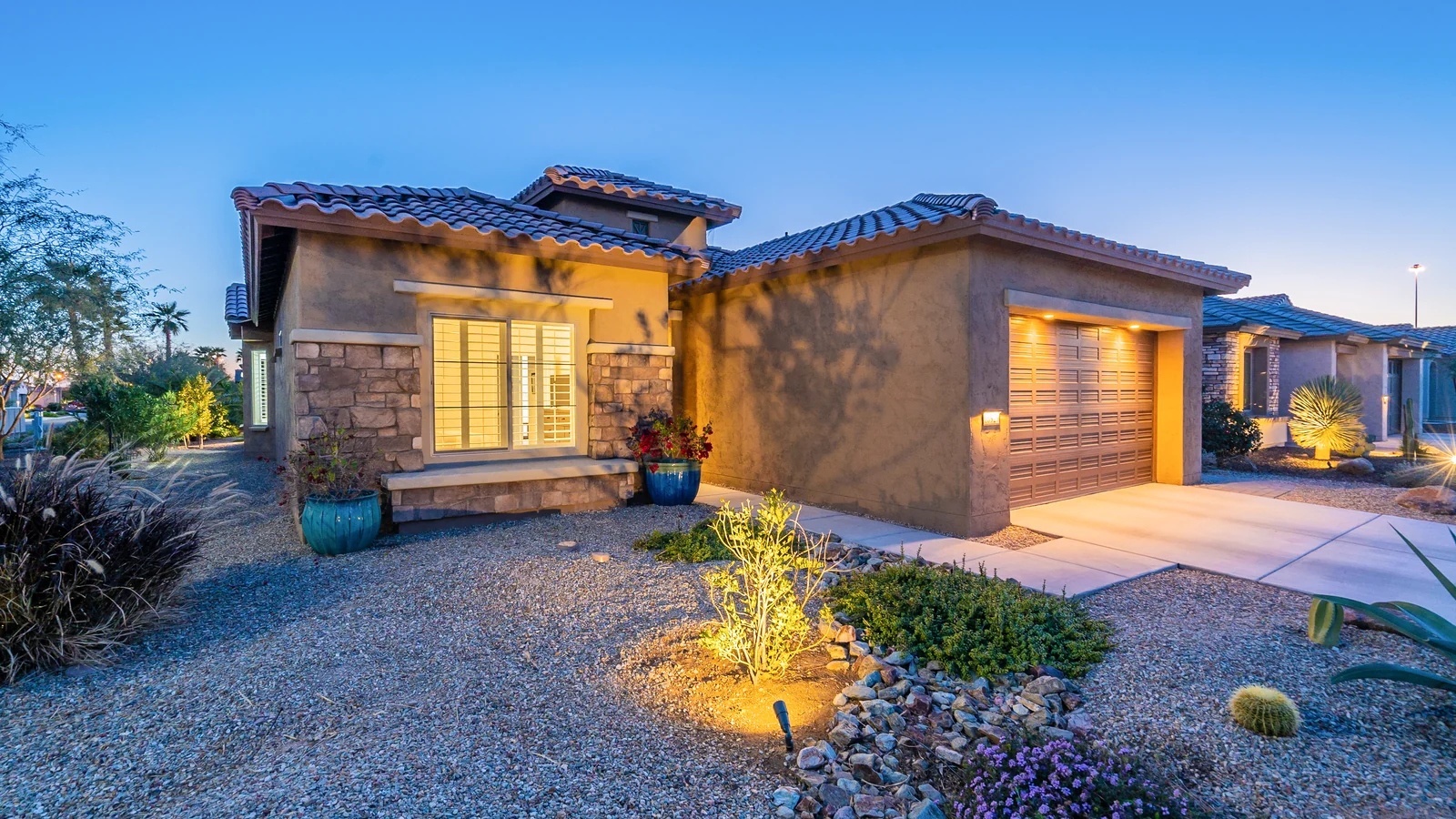
An addition, converted garage, enclosed patio, extra bathroom, or electrical project without clear permit records does not automatically prevent an Arizona home sale. It does create questions that are easier to handle before buyers, appraisers, lenders, insurers, or inspectors discover the issue on their own.
The first step is not to assume the work is illegal or to promise that it can be approved. The first step is to identify the correct city, town, or county jurisdiction, compare the property to the available records, and learn what the local building department says about the actual improvement.
Quick Answer: Can You Sell a House With Unpermitted Work in Arizona?
Often, yes. A normal market sale may still be possible, but the right strategy depends on the work, the local jurisdiction, the available documentation, the buyer, and the financing.
A seller may decide to investigate and obtain approval, correct or remove the work, market the property with careful disclosure, or combine those approaches. Selling as-is is also a possible contract position, but it does not erase known disclosure issues or prevent a buyer from investigating the property.
What Does “Unpermitted Work” Mean?
The phrase can describe several different situations:
- Work was completed even though the local authority required a permit.
- A permit was issued, but required inspections were never completed.
- A permit expired, was cancelled, or remains open.
- The improvement differs from the approved plans.
- The permit record cannot be located even though an owner believes one existed.
- The work did not require a permit when it was completed, but the records are unclear.
Common examples include a room addition, garage conversion, enclosed patio, bathroom, casita, pool, structural change, or electrical, plumbing, mechanical, or demolition work.
Permit requirements are not established by one simple statewide list. They depend on the property’s jurisdiction, the type and scope of work, and sometimes the code and rules in effect when the work occurred.
Start With the Correct Jurisdiction
A Phoenix mailing address does not necessarily mean the City of Phoenix is the building authority. A property may be inside another municipality or in an unincorporated part of Maricopa County.
Maricopa County directs owners who are building or remodeling in an unincorporated area to County Planning and Development. Otherwise, the owner starts with the applicable city or town. Confirming jurisdiction prevents a seller from searching the wrong database or asking the wrong office for an answer.
As a City of Phoenix example, the current Residential Building page identifies remodels and additions, garage or carport construction or conversion, porch enclosures, patio covers, demolition, and other construction projects as work requiring permits within Phoenix. That is a Phoenix example, not a declaration that every Arizona jurisdiction uses identical requirements.
What If a Previous Owner Did the Work?
A seller should not claim personal knowledge that they do not have. But “the previous owner did it” does not make a visible condition or a known record problem irrelevant to the current sale.
Gather what is available: the prior listing, seller disclosures from the purchase, invoices, plans, contractor information, photographs, inspection reports, and correspondence. Then separate facts from assumptions. A seller may know that a room existed when they purchased the home without knowing who built it, when it was built, or whether a permit was required.
Known Work and Arizona Seller Disclosure
The current Arizona REALTORS® Residential Seller’s Property Disclosure Statement asks about building, plumbing, electrical, improvements, alterations, and room conversions. It also asks whether permits were obtained, whether licensed people performed the work, whether association approval was required, and whether the work was completed.
The accompanying Seller Advisory tells sellers to answer truthfully, avoid guessing, and attach available supporting records such as permits, invoices, receipts, warranties, and inspection reports. My Arizona Seller Disclosure and SPDS guide explains the broader disclosure process.
A real estate agent can help organize the facts and the transaction. Legal questions about what must be disclosed in a particular situation belong with a qualified Arizona real estate attorney.
Is an Assessor Record the Same as a Building Permit?
No. They are different record systems serving different purposes.
The Maricopa County Assessor maintains ownership, valuation, parcel, and property-characteristic information such as reported square footage and year built. A city or county building department maintains permit, plan-review, and inspection information for its jurisdiction.
An improvement appearing in an assessor record does not by itself prove that the required construction permits and final inspections exist. An assessor record that has not yet been updated also does not by itself prove that work was unpermitted. Check the appropriate building authority directly.
Can Unpermitted Square Footage Be Marketed as Living Area?
Do not automatically add every enclosed or air-conditioned area to the home’s represented living space.
The way an area should be described can depend on permit and completion records, physical construction, intended use, the listing service’s rules, appraisal standards, and what can be verified. A garage conversion may look finished but still raise questions about ceiling height, egress, insulation, heating and cooling, electrical work, parking, setbacks, or approved occupancy.
A cautious listing can describe the physical feature without making an unsupported representation about permitted living area. Pricing should also account for how buyers and appraisers may treat the space. The Arizona home-value guide explains why usable features and verified comparable sales matter more than simply multiplying every square foot by an area average.
How Buyers May React
Buyer reactions vary. Some buyers may accept a well-documented situation and price it into their decision. Others may request records, specialist inspections, corrections, a permit resolution, a credit, or cancellation rights under their contract.
Common concerns include:
- Safety and construction quality
- Future repair responsibility
- Whether the area can be used as represented
- Appraisal treatment and value
- Lender or insurer requirements
- Future remodeling or resale
- HOA or zoning compliance
Early, accurate information allows buyers to evaluate the actual condition instead of reacting to a surprise late in escrow.
Can Financing Be Affected?
Potentially. Do not assume that every loan will fail or that every lender will ignore the issue.
An appraiser may separate questionable space from the home’s recognized living area, request more information, or identify a health, safety, or marketability concern. A lender may ask for permit documentation, completion, repairs, or another property-specific condition. The response can vary by loan program, lender, appraiser, work type, and severity.
If the likely buyer pool relies on financing, resolve obvious documentation questions early enough to avoid building the entire transaction around an assumption.
Can Insurance Be Affected?
It can be. Coverage, underwriting, inspections, and exclusions vary by insurer and condition.
A seller should not promise that an insurer will cover an unverified addition, loss related to the work, or a property with an unresolved code issue. Buyers should confirm coverage with their own insurance professional. Sellers can organize any permits, contractor records, inspections, and repair documents that help an insurer understand the property.
What Happens During the Buyer’s Inspection?
A home inspector does not issue a building permit or provide legal approval. The inspection may still identify construction differences, safety concerns, amateur work, or systems that warrant specialist review.
The buyer may then investigate municipal records, obtain contractor or engineering opinions, or raise repair and documentation requests under the contract. My guide to the Arizona inspection and BINSR process explains how property findings can become part of buyer due diligence and negotiation.
Should You Try to Obtain a Retroactive or As-Built Permit?
Ask the correct building department what process applies before promising a result. The authority may call it an after-the-fact, as-built, legalization, or standard permit process, or may use different terminology.
Possible requirements can include:
- Plans, site information, or measurements
- Permit and review fees
- Inspections by the jurisdiction
- Evaluation by a licensed contractor, architect, or engineer
- Opening walls or exposing concealed work
- Electrical, plumbing, mechanical, structural, fire-safety, or energy corrections
- Zoning, setback, parking, floodplain, or HOA review
- Final inspection and documented completion
The current City of Phoenix permit system and Maricopa County permit resources both provide ways to research existing records and begin the applicable process. Neither source supports a universal promise that every completed improvement will receive retroactive approval.
What About an Open or Never-Finaled Permit?
An open permit is different from work with no permit record. The permit may have been issued but never received a final inspection, may have expired, or may need another administrative action.
Search for the permit number, status, inspection history, holds, and project details. Then ask the jurisdiction what is required to complete, renew, cancel, or otherwise address it. Maricopa County, for example, publishes separate permit-action and permit-research pathways for parcels in unincorporated areas.
Do not assume that an old permit can simply be closed by phone or that the current owner must repeat every part of the original project. The building authority must answer that for the specific record.
Should You Remove or Reverse the Improvement?
Sometimes reversal is simpler than approval, but not always. Removing a conversion can create its own permit, repair, safety, cost, or design questions.
Before removing anything, compare:
- The building department’s available resolution paths
- Estimated approval and correction costs
- Estimated removal and restoration costs
- Time before the planned listing date
- Impact on parking, bedrooms, bathrooms, utility, and market value
- Buyer demand for the feature
- Appraisal and financing risk
The broader repairs-before-selling guide can help frame the return-on-effort decision, but permit questions should be evaluated with the jurisdiction and appropriate technical professionals.
Can You Sell the Property As-Is?
Yes, a seller and buyer can negotiate an as-is position. That does not turn an unknown fact into a known fact, eliminate the seller’s disclosure responsibilities, guarantee lender acceptance, or prevent the buyer from conducting inspections and record research.
An as-is strategy may work best when the condition is clearly described, the available records are organized, the price reflects market reaction, and the likely buyer pool is considered. It should not be used as a substitute for truthful information.
How to Check Permit History Before Listing
- Confirm jurisdiction. Determine whether the property is inside a city or town or in an unincorporated county area.
- Search by address and parcel. Use the building authority’s current permit and project-search tools.
- Check status and inspections. An issued permit is not the same as a finaled permit.
- Compare the records with the property. Look for additions, conversions, pools, accessory structures, and system changes.
- Gather owner records. Find plans, invoices, contractor information, approvals, and inspection reports.
- Ask the authority directly. If the record is missing or unclear, request research or speak with the appropriate department.
- Use qualified professionals. Bring in a contractor, architect, engineer, attorney, appraiser, lender, insurer, or title professional when the question falls within that role.
For Phoenix properties, the City provides an online permit search and its newer SHAPE PHX system for current permitting activity. For unincorporated Maricopa County, the County provides current and historical permit-research options. Other Arizona cities and counties have their own systems.
A Practical Seller Decision Framework
1. Investigate
Identify the work, jurisdiction, permit history, inspection status, and known condition before choosing a solution.
2. Document
Organize records and write down what is known, unknown, and being verified. Do not fill gaps with confident guesses.
3. Compare Options
Ask about permitting, correction, removal, disclosure, timing, and cost. A preliminary market analysis can help show whether the feature adds usable value or mainly creates buyer uncertainty.
4. Price and Market Carefully
Use accurate descriptions. Avoid counting or labeling space in a way that cannot be supported. Consider the buyer pool and likely financing.
5. Disclose and Coordinate
Provide known information and available supporting records on the required timeline. Coordinate buyer questions with the professionals qualified to answer them.
Seller Checklist for Unpermitted or Unclear Work
- Confirm the governing city, town, or county.
- Search permit, plan-review, and inspection records.
- Compare assessor characteristics with the actual property without treating them as permit proof.
- List every addition, conversion, enclosure, pool, or major system change you know about.
- Gather plans, invoices, receipts, contractor details, HOA approvals, and prior disclosures.
- Ask the building authority about missing, expired, or open records.
- Get qualified cost and timing estimates before promising repairs or approval.
- Discuss appraisal, financing, and insurance concerns with the appropriate professionals.
- Complete seller disclosures truthfully and update them if facts change.
- Choose pricing and marketing language that matches what can be verified.
Review the Selling Options Before the Property Goes Live
An unclear permit situation is easier to manage when the seller has time to investigate it, compare solutions, and build accurate information into the pricing and marketing plan.
I can help evaluate the real estate questions: buyer reaction, comparable sales, presentation, pricing, disclosure timing, and listing strategy. The building department and qualified legal, construction, appraisal, lending, insurance, and title professionals handle the specialized conclusions within their roles.
For more planning help, review my answers to common Arizona home-selling questions, learn about Arizona seller representation, or request a personalized home value and selling review.
Find Out What You’re Dealing With Before the Buyer Does
Andrew can help review the property’s marketability, pricing, documentation, and listing strategy before you decide whether to pursue permits, make corrections, remove an improvement, or sell with careful disclosure.
Sources and Further Reading
- Arizona REALTORS®: Residential Resale Transaction Forms
- Arizona REALTORS®: Residential Seller’s Property Disclosure Statement and Seller Advisory
- Arizona Department of Real Estate: Buyer Advisory
- City of Phoenix: Residential Building and Permit Guidance
- City of Phoenix: Permit Information Search
- Maricopa County: Permitting Services
- Maricopa County: Permit Actions and Permit Research
Sources checked September 5, 2026. This article provides general Arizona real estate education and is not legal, building-code, engineering, appraisal, lending, insurance, tax, or title advice. Permit requirements and resolution options depend on the property, jurisdiction, work, records, and transaction. Consult the applicable building department and qualified professionals for property-specific guidance.